Ground Handling Coordination
Precision orchestration of ground operations, ensuring every arrival and departure is executed smoothly and safely.
Service Overview
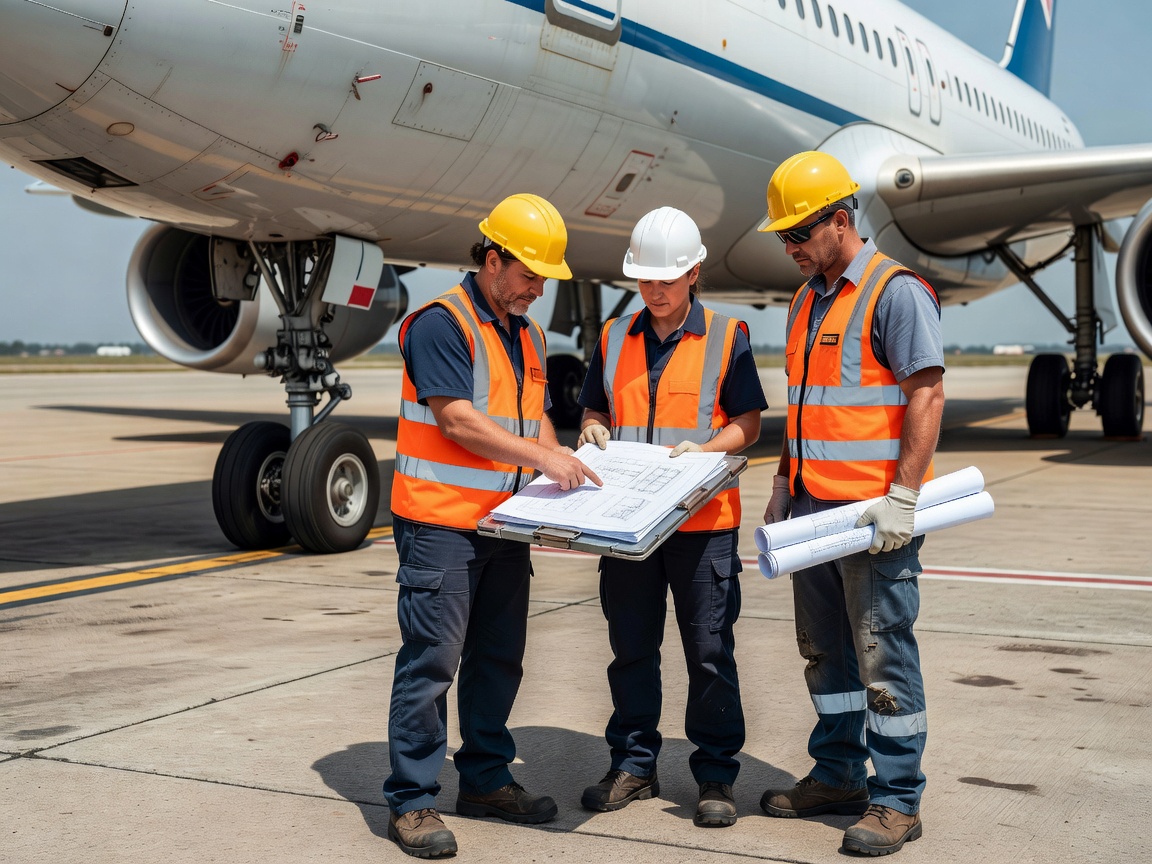
Ground handling within the private aviation sector requires a meticulous approach to timing, safety, and discretion. We specialize in ground handling coordination, serving as the central point of contact between aircraft operators, airport authorities, and third-party service providers. By managing the complex web of logistics on the apron, we help minimize ground time and eliminate operational friction.
From the moment an aircraft crosses into the local airspace until it departs, countless tasks must be synchronized. Our coordination ensures that chocks, safety cones, passenger transport, and auxiliary power units are positioned precisely when needed, without causing congestion on the ramp.
Typical Workflow
A standard ground handling coordination process involves several distinct phases, executed with technical precision:
- Pre-Arrival Preparation: Monitoring flight tracking systems, communicating with air traffic control regarding expected arrival times, and pre-positioning ground support equipment (GSE) at the designated parking stand.
- Arrival Coordination: Marshalling the aircraft to its final parking position, deploying safety cones and chocks, and establishing communication with the flight deck.
- Ground Service Integration: Orchestrating the arrival of fuel trucks, lavatory and water service vehicles, and catering deliveries in a logical sequence to avoid apron crowding.
- Departure Preparation: Coordinating passenger boarding processes, assisting with pushback or power-out procedures, and ensuring the safe retrieval of all ground equipment.
Operational Considerations
Private aviation operations are inherently dynamic. Weather delays, air traffic control slot changes, and VIP passenger schedules can shift rapidly. Effective ground handling coordination requires adaptability. We maintain constant communication with handling agents, Fixed Base Operators (FBOs), and the aircraft crew to ensure that changes in schedule are instantly reflected in the ground support deployment plan.
Furthermore, European airport environments often feature strict environmental and noise regulations. We ensure that our coordination aligns with local auxiliary power unit (APU) restrictions, promoting the use of ground power units (GPUs) where required to maintain compliance without compromising cabin comfort.
Equipment & Support Categories
While we focus on the logistical coordination, we arrange and oversee the deployment of essential ground service equipment, including:
- Ground Power Units (GPU) for continuous electrical supply.
- Potable water and lavatory servicing vehicles.
- Passenger and crew transportation vehicles (airside).
- Baggage carts and loading belts.
- Aircraft towing tractors and towbars.
Common Coordination Challenges
One of the primary challenges in business aviation handling is managing limited ramp space, particularly during major international events or peak holiday seasons. Coordinating multiple service vehicles around a high-value aircraft requires strict safety protocols to prevent hangar rash or vehicle collisions. Additionally, language barriers or differing operational standards among international crews can cause friction; our team acts as a localized, knowledgeable intermediary to bridge these gaps.
What Clients Should Prepare
To ensure flawless coordination, aircraft operators and dispatchers should provide our team with:
- Accurate ETA/ETD and immediate updates regarding delays.
- Specific aircraft configurations and equipment requirements (e.g., specific GPU voltage, towbar head type).
- Details of any specialized cargo or oversized baggage.
- Passenger and crew manifests to facilitate swift terminal transit.
Ready to streamline your ground operations?
Contact our team to discuss how our coordination services can support your flight schedule.
Contact Operations