Ramp Support Operations
Technical apron coordination ensuring that all ground movements and equipment interactions are conducted with absolute safety.
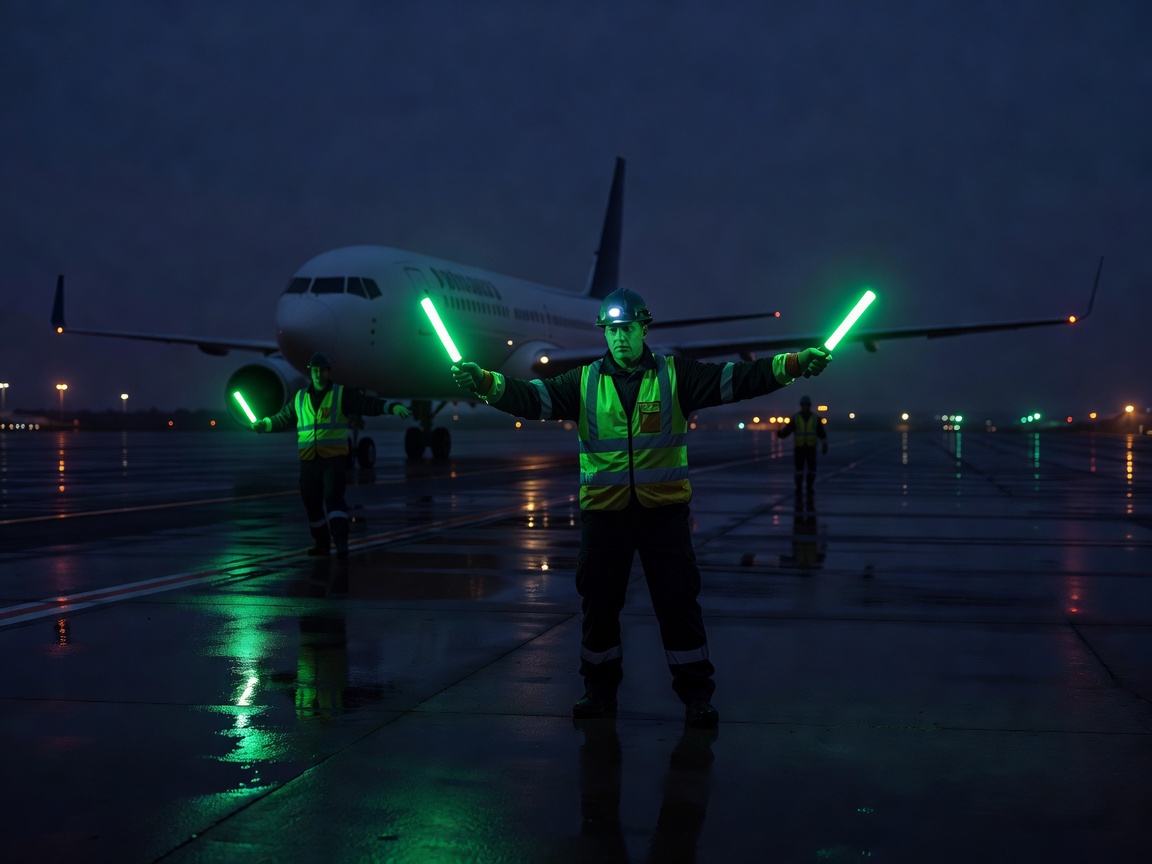
Service Overview
The airport apron is a high-risk environment requiring strict adherence to procedures. Our ramp support coordination focuses on the physical interaction between the aircraft and ground equipment. We oversee the safe deployment of marshallers, tow tugs, wing-walkers, and auxiliary equipment, ensuring that every movement around the aircraft is deliberate, communicated, and compliant with safety management systems.
While we coordinate the operational logistics, we instill a culture of safety-conscious workflows. We ensure that designated safety perimeters are respected by third-party vendors and that communication between the flight deck and ground crews is clear and unambiguous.
Typical Workflow
Effective ramp support requires continuous situational awareness:
- Pre-Arrival Ramp Inspection: Ensuring the designated parking stand is clear of Foreign Object Debris (FOD) and unauthorized vehicles.
- Marshalling Coordination: Directing the aircraft into its final parking position using standardized ICAO visual signals, followed by immediate placement of chocks and safety cones.
- Equipment Interface: Overseeing the safe approach and connection of GPUs, air conditioning units, and passenger stairs, enforcing strict "brake check" and "approach speed" protocols for all vehicles.
- Pushback and Towing: Coordinating with tractor operators and wing-walkers to safely extract the aircraft from tight parking stands, ensuring towbar shear-pin specifications match the aircraft type.
Operational Considerations
Adverse weather—such as high winds, heavy rain, or icing—significantly alters ramp operations. During high winds, extra chocking and the immediate removal of loose equipment are mandated. During winter operations, ramp support extends to coordinating de-icing rigs and ensuring the apron surface is adequately treated. We adapt our logistical plans to these environmental factors, prioritizing asset safety over speed.
Equipment & Support Categories
Ramp support involves the careful coordination of heavy technical equipment:
- Towbarless and conventional aircraft tractors.
- Aircraft specific towbars and shear pins.
- Illuminated marshalling wands and communication headsets.
- High-capacity ground heating and cooling units.
- Aviation chocks, safety cones, and high-visibility perimeter markers.
Common Coordination Challenges
One of the greatest risks on the ramp is "hangar rash"—minor but costly damage caused by ground equipment striking the aircraft. This is often the result of rushed operations or poor communication among multi-lingual crews. We mitigate this by enforcing a single point of operational control on the ramp. Furthermore, coordinating movements in highly congested executive terminals during peak seasons requires meticulous spatial planning and negotiation with airport authorities for suitable hardstand allocations.
What Clients Should Prepare
To ensure safe ramp operations, crews should provide:
- Specific towing limitations or requirements for the airframe.
- Confirmation of parking brake status prior to equipment approach.
- Details of any specialized ground power requirements.
- Understanding of local airport APU running restrictions.
Prioritize ramp safety and efficiency
Discuss your operational requirements with our ramp coordination specialists.
Contact Operations